
Last updated: October 21, 2026
Key Takeaways
- W-2 withholding can lower freelance estimated taxes because the IRS treats it as tax already paid.
- Check your pay stub, year-to-date withholding, and freelance income trend before changing Form W-4.
- You can shift some tax from estimated payments to payroll, then review the result after one or two pay periods.
- Get professional help if the withholding change goes beyond a simple side-income setup or the numbers are unstable.
If you have a W-2 job and freelance income, tax withholding can reduce — and sometimes simplify — your estimated taxes. This Freelancer Tax Withholding Guide: How W-2 Income Can Reduce Estimated Taxes is for people who already have a paycheck with federal withholding and want to use that withholding as a planning tool alongside freelance income, not as a substitute for understanding their own tax situation. For related planning, see the internal guides on freelance tax planning, estimated tax payments, and Form W-4 changes.
This is information, not financial advice. Tax rules change, and a qualified tax adviser or CPA should review your numbers if your income is irregular, you have multiple jobs, or you are close to a penalty. The IRS guidance on withholding, estimated taxes, and Form W-4 is the best starting point.
Who this applies to, and who should treat it differently

This applies to a person who earns wages from a W-2 job and also receives freelance income reported on Forms 1099-NEC or 1099-K, or simply unreported client payments tracked on their own books. The basic idea is simple: increase federal income tax withholding from your paycheck so less of your freelance tax bill has to be paid through separate estimated tax payments.
That works because withholding is treated differently from a normal quarterly estimated payment, but you should consult a tax professional if your facts are unusual. Federal withholding is taken from wages through payroll, usually from a Form W-4, and it is credited across the year as if it were paid evenly. That timing rule can make withholding a useful planning tool when freelance income arrives unevenly. The IRS explains withholding and estimated taxes on its guidance pages for withholding and estimated taxes.
This approach is not for someone whose only income is freelance. If there is no W-2 paycheck, there is no payroll withholding to adjust. It is also a poor fit if your day job payroll is already withholding at a high rate and adding more would create a cash-flow squeeze of several hundred dollars per month. The method can lower estimated taxes, but it does not make tax disappear, so a CPA or enrolled agent is worth consulting if the change would strain your budget.
The strategy is best for a person who can read a pay stub, estimate annual income within a reasonable range, and adjust a Form W-4 without guessing wildly. It is not a substitute for separating business accounts, tracking deductible expenses, or filing on time. It belongs in a broader freelancer tax planning system, which is why it fits alongside the hub on freelancer tax planning and estimated payments.
How can W-2 withholding reduce freelance estimated taxes?
W-2 withholding can reduce freelance estimated taxes because the IRS counts withholding as tax already paid, regardless of when it was withheld during the year. In plain English: more tax pulled from your paycheck means less tax left for you to cover from your freelance income.
The key term here is withholding allowance behavior, not the old “allowances” system itself. Current Form W-4 uses dollar amounts, not personal allowances, so the move is usually made by changing the extra amount withheld per pay period or by adjusting multiple-job inputs. The form and its instructions are on the IRS site for Form W-4.
A simple example helps. Suppose freelance work pushes your total tax higher than your paycheck withholding alone covers. Instead of sending a separate estimated payment from your business account, you can increase withholding from the W-2 job so the combined withholding and any estimated payments cover the year’s liability. The benefit is timing: payroll withholding happens every pay period, which can make the overall cash drain feel less lumpy than four big estimated payments.
There is a trade-off. Money withheld from wages is money you do not have in hand during the year. That can help if you tend to under-save, but it can hurt if your freelance income is volatile and you need liquidity for software, travel, supplies, or a slow month. Another trade-off: withholding is attached to payroll, so if you change jobs, take unpaid leave, or have an irregular bonus schedule, the math shifts.
More withholding is not automatically better. It can lower the chance of owing a large balance later, but it can also create a refund that is just an interest-free loan to the government. A good strategy is not “withhold as much as possible.” It is “withhold enough, in the right places, with enough cash left to operate.”
What to check before you change your Form W-4
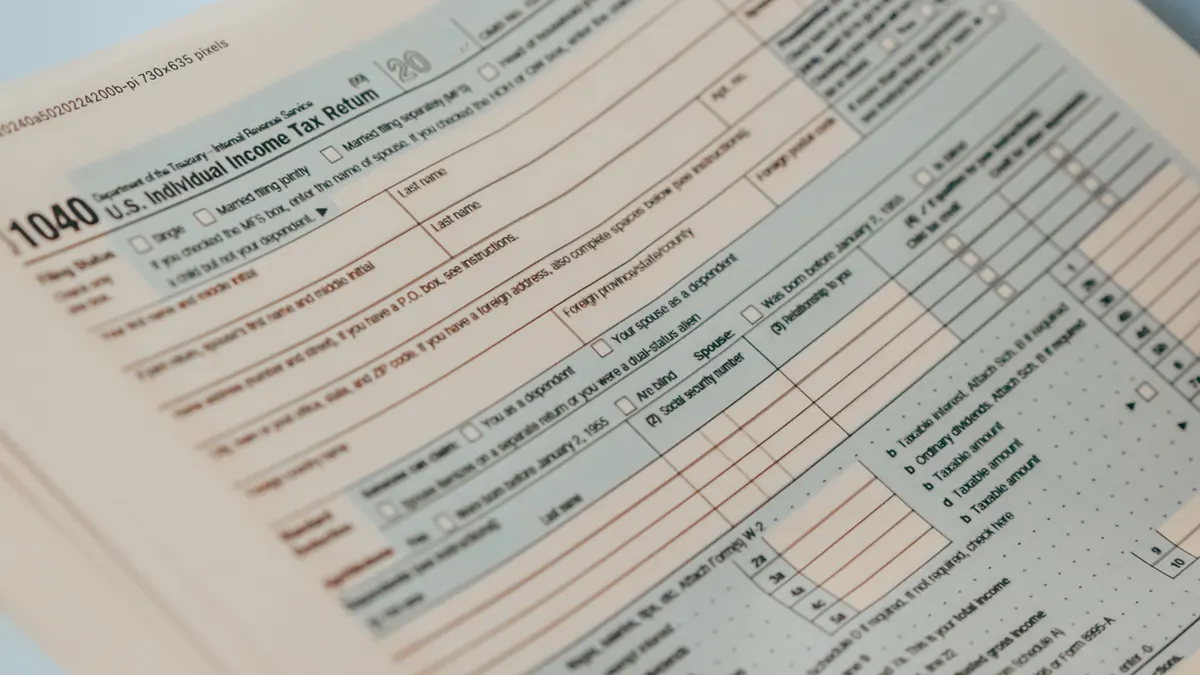
You should check your current pay stub, your year-to-date withholding, and your freelance income trend before touching Form W-4. The goal is to avoid making a blind adjustment that is too small to matter or too large to be practical.
Start with your most recent pay stub and find federal income tax withholding, not Social Security or Medicare tax. Those payroll taxes are separate. Then look at how many pay periods remain in the year. A weekly, biweekly, semimonthly, or monthly payroll schedule changes how much extra withholding you need to spread across the remaining checks.
Next, review your freelance income pattern for at least the last 3 months. A single strong month can mislead you if client work is uneven. If your freelance income comes in bursts, the plan should be built around expected annual income, not the biggest invoice you sent.
Check whether your W-2 job has bonus pay, commissions, or variable hours. Payroll withholding on supplemental wages can behave differently from a flat salary check, and that can distort any rough estimate. If your paycheck already swings a lot, a fixed extra withholding amount on Form W-4 may need more frequent review.
One more check matters: whether your spouse has wages, too. Household withholding and household estimated taxes interact. If both partners have jobs, a change on one W-4 may overcorrect if the other paycheck already withholds heavily.
If the numbers are messy enough that you cannot tell whether a W-4 change would add $25, $100, or $300 per paycheck, that is a sign to slow down and model the full year before submitting anything. A bad guess can leave you surprised at filing time.
How do I use paycheck withholding instead of extra estimated payments?
You use paycheck withholding instead of some estimated payments by moving the extra tax burden onto your W-2 payroll, then checking the result after one or two pay periods. The procedure is mechanical, but it only works if you keep one eye on both income streams.
- Estimate the added tax from freelance work for the year. Use your own records, not a guess from gross receipts alone, and separate business expenses from profit. What to verify: that you are working from annual profit, not total client payments. Problem sign: you are using the top-line freelance revenue number as if it were taxable income.
- Check your year-to-date federal withholding on your W-2 job. Pull the latest pay stub and total the federal income tax withheld so far. What to verify: the withholding line is for federal income tax, not state tax or payroll taxes. Problem sign: you are comparing the wrong tax line to your estimated liability.
- Decide how much of the freelance tax burden you want shifted to payroll. Pick a fixed extra amount per pay period that your budget can absorb. What to verify: the extra amount fits your remaining pay periods for the year. Problem sign: the added withholding would cause rent, debt payments, or operating cash to come up short.
- Update Form W-4 with extra withholding or a revised filing setup. Enter the additional dollar amount on the appropriate line in Step 4, or use the W-4’s multiple-jobs worksheet if that is the actual issue. What to verify: your payroll system accepts the form and shows the change on the next check or the one after it. Problem sign: payroll says the form is incomplete or the change does not appear after one or two cycles.
- Reconcile the next two pay stubs. Confirm the federal withholding increased by the amount you expected across 1 or 2 checks. What to verify: the actual withholding matches the W-4 change within a small rounding difference. Problem sign: the payroll result is much lower than expected because the form was entered incorrectly.
- Compare the new withholding pace to your freelance tax need. Spread the additional withholding across the rest of the year and compare it to the tax pressure from freelance income. What to verify: combined withholding is moving toward your target rather than overshooting by a wide margin. Problem sign: you are now withholding so much that your monthly take-home pay is too tight to manage.
- Keep a simple monthly log through year-end. Track freelance profit, payroll withholding, and any estimated payments in one place. What to verify: the log stays current within 30 days. Problem sign: you only look at the numbers at tax time, when it is too late to fine-tune anything.
The adjustment works best as a calibration process, not a one-time guess. A small test change, then a review after 1 or 2 pay periods, is often more useful than making a large jump and hoping it lands correctly. If the result is still off, you can revise the W-4 again.
When should I stop and get professional help?
You should stop and get professional help when the withholding change affects more than a simple side income situation or when the tax picture is too unstable to estimate responsibly. The method is practical, but you should consult a professional if the setup is not straightforward.
Multiple W-2 jobs: Two or more payrolls can cause under-withholding if each employer withholds as if it were the only job, so get a tax professional to review the combined setup before changing only one W-4.
Large bonus or commission income: Supplemental wages can be taxed differently at payroll level, so ask payroll or a tax adviser how that income is being withheld before you rely on one paycheck pattern.
Irregular freelance income with big swings: If monthly freelance profit jumps sharply, a fixed W-4 change can be too much in slow months and too little in busy ones, so use a full-year projection with help if needed.
Self-employment tax questions: Freelance income can trigger self-employment tax in addition to income tax, so if you are not sure how those pieces interact, get the numbers checked rather than guessing.
Marriage, divorce, or a new dependent in the same tax year: Household withholding can change fast when filing status changes, so a W-4 set in January may be wrong by midsummer and should be reassessed with a professional if the household changed.
State tax withholding issues: This guide focuses on federal withholding, so if state withholding or local tax also matters, the payroll change may not solve the whole problem and you may need state-specific advice.
That is the point at which the standard “adjust the W-4 and monitor” approach stops being the right tool. The consequence of pushing ahead blindly is usually a mismatch between expected and actual withholding, followed by a larger balance due or an oversized refund.
The mistakes people actually make, and what they cost
The biggest mistake is confusing gross freelance receipts with taxable profit. That can make a person with $20,000 of client payments think they owe tax on $20,000 even after deductible expenses. The consequence is over-withholding, which ties up cash unnecessarily. The correct alternative is to base the withholding plan on profit after ordinary business expenses.
A second mistake is changing Form W-4 once and never checking a pay stub. Payroll systems are not supposed to be mysterious, but errors happen, and a change may not show up for 1 or 2 cycles. The consequence is false confidence. The correct alternative is to verify the next check and the one after it.
A third mistake is using withholding to solve a cash-flow problem that is really a spending problem. If the extra withholding is so large that it creates a 2-week scramble every month, the plan is too aggressive. The consequence is stress and late bills. The correct alternative is a smaller withholding increase paired with a separate savings habit for freelance tax.
A fourth mistake is forgetting that estimated taxes and withholding are not identical operationally. People sometimes assume they can stop thinking about taxes once payroll withholding rises, but freelance income can still require quarterly estimated payments depending on the full-year picture. The consequence is a surprise balance due. The correct alternative is to treat withholding as one part of the total tax plan, not the whole plan.
A fifth mistake is ignoring household changes. A spouse starting a job, ending a job, or changing W-4 settings can alter the total tax picture more than the freelance income itself. The consequence is double-counting or under-counting withholding. The correct alternative is to review both paychecks together.
A sixth mistake is waiting until December to fix everything. With only 1 or 2 pay periods left in the year, there may not be enough time for withholding to catch up. The consequence is a rushed fix that does little. The correct alternative is to review the numbers at least once midyear, then again after major income changes.
When the standard withholding approach needs to change
The standard approach needs modification when your pay schedule, freelance pattern, or household setup is unusual. The method still uses withholding, but the way you apply it changes.
If you are paid biweekly instead of semiweekly or monthly, the extra withholding should be divided across 26 paychecks, not guessed as a monthly number. That sounds obvious, but people often enter a monthly target and wonder why the annual result is off. The exact paycheck cadence matters.
If your freelance income is concentrated in a few months, you may need a temporary W-4 increase, then a later reduction. That is common for project-based work, consulting retainers, and seasonal side gigs. The trade-off is administration: you have to revisit the form more than once.
If your W-2 job changes midyear, your withholding baseline changes too. A new employer may start fresh on withholding without knowing what the old job already withheld. That means the same extra-dollar adjustment may no longer be enough, or may be too much.
If you have both W-2 wages and self-employment income, the payroll side can help reduce estimated taxes, but it does not erase the need to understand the combined picture. A payroll change may still leave you with estimated tax payments, especially if freelance profit rises late in the year.
Drafted with AI; not yet reviewed by a person.