Last updated: October 24, 2026
Key Takeaways
- Use Form 1040-X to fix the affected figures and explain the change briefly.
- Check whether the error is on the filed return, affects tax, and really needs an amendment.
- Freelancers should amend returns when filing errors change income, credits, or tax.
- If several forms connect, update them all together rather than changing just one.
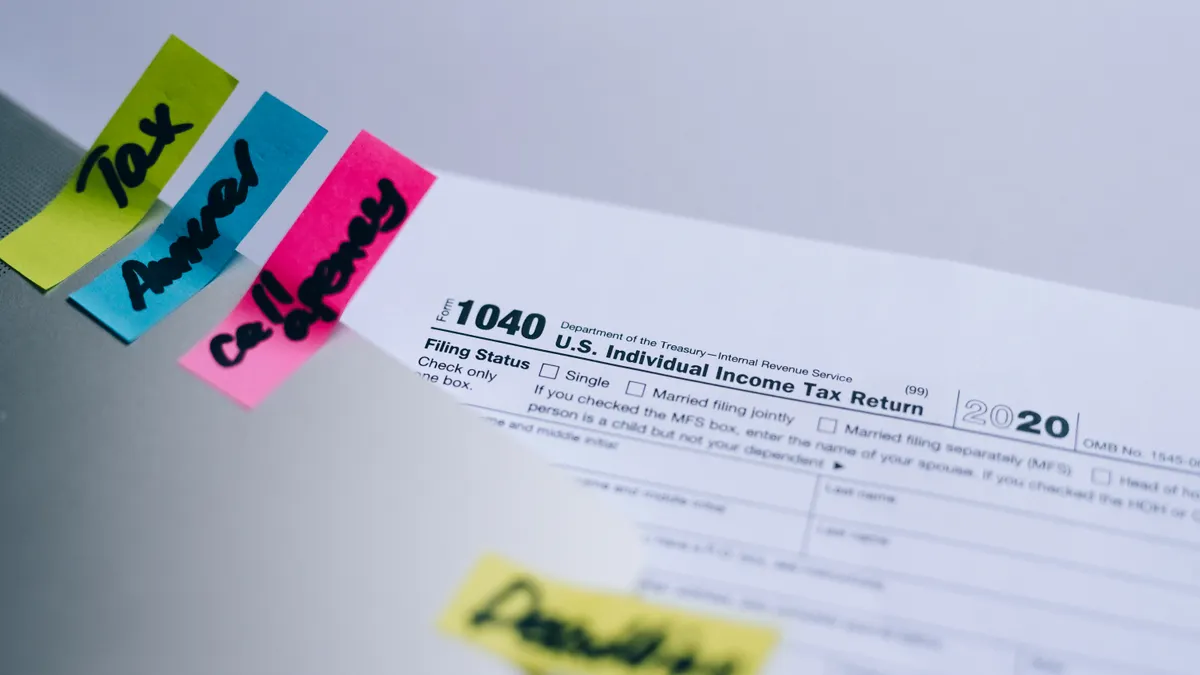
If you already filed and found a mistake, an amended tax return is usually the fix. For a freelancer, that often means correcting a Form 1040-X after a Schedule C, Schedule SE, or 1099-NEC entry was left out, entered twice, or calculated wrong. This article uses the term freelance tax return throughout; for your own situation, a qualified tax adviser should review the numbers before you file.
Who this applies to, and what you need first
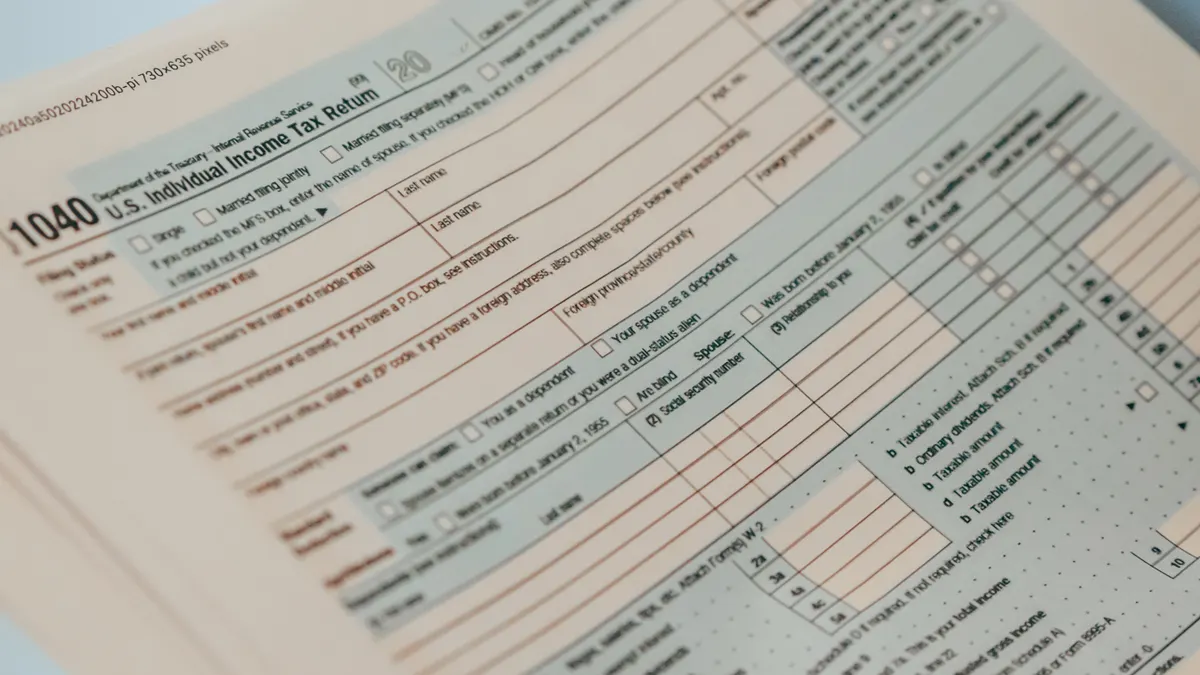
This applies if you filed a federal return as a freelancer or independent contractor and later discovered that the return does not match your records. It also applies if a 1099-NEC arrived late, a client issued a corrected payment record, or you realized your Schedule C business income, business expenses, or Schedule SE self-employment tax was wrong. It does not usually apply if the only problem is a bookkeeping entry that never made it onto the tax return; that is often a recordkeeping fix, not an amendment.
Before you start, gather the original filed return, any revised 1099-NEC forms, your Schedule C and Schedule SE, bank records, invoices, and the IRS instructions for Form 1040-X. The 1040-X is the federal form used to change a return after filing. If your return included state taxes, the state filing may also need an amendment, depending on the state’s rules.
This page is for someone who wants to correct a filed return, not for someone filing for the first time. It also does not replace the broader freelancer filing guide in the hub on freelancer tax forms and filing mechanics. If you have not yet filed, the better answer is usually to fix the original return, not to amend it after the fact.
How to amend a freelance tax return after filing
You amend by filling out Form 1040-X, correcting the affected income or deduction items, and explaining why the return changes. The key is to trace the mistake from the source document to the federal return so the math stays consistent across Form 1040-X, Schedule C, and Schedule SE.
- Get the exact items that were wrong. Write down whether the error is income, expenses, self-employment tax, or a filing status issue. Check the original return against the source record line by line, including each 1099-NEC, your Schedule C gross receipts, and the Schedule SE calculation. Verify that the mistake is on the filed return, not just in your bookkeeping software. A problem sign is any mismatch you cannot tie to a specific line on the return.
- Decide whether the correction changes federal tax. Recalculate the return with the corrected numbers and compare the result with what you already paid or received. A change in Schedule C profit often changes Schedule SE, because net self-employment income generally flows into self-employment tax. Verify that the amendment actually changes tax, credits, or income reported to the IRS. If the correction changes only a worksheet or a note and not the return itself, an amendment may not be needed.
- Get the original Form 1040 and every schedule the error touches. Use the exact filed version, not a draft. If the error involved business income or expenses, pull Schedule C. If it affected self-employment tax, pull Schedule SE. If a late or corrected 1099-NEC changed the income total, include that record too. Verify that the forms match the tax year you filed. A problem sign is using the wrong year’s form set, which can send the IRS a return that does not match the original filing.
- Complete Form 1040-X for the same tax year. Enter the original amount, the net change, and the corrected amount for each affected line. Keep the explanation short but specific, such as “1099-NEC omitted from business receipts” or “Schedule C expense duplicated.” Verify that the math on the 1040-X carries through to the final refund, balance due, or no-change result. A problem sign is a blank explanation box or numbers that do not reconcile to the schedules.
- Correct Schedule C if business income or expenses changed. Update gross receipts, returns and allowances if relevant, and each expense category that was wrong. Then recompute net profit or loss. Verify that the corrected Schedule C ties to the 1040-X and, if applicable, the Schedule SE amount. A problem sign is changing Schedule C income without updating the self-employment tax calculation that depends on it.
- Correct Schedule SE if the profit changed. Recalculate self-employment tax from the revised net earnings from self-employment. Schedule SE is the form that computes Social Security and Medicare tax for self-employed income, and a Schedule C change often reaches it. Verify that the amended self-employment tax is based on the corrected profit figure, not the original one. A problem sign is keeping the old Schedule SE amount after the income changed.
- Attach any schedules and statements the IRS would need to understand the change. Include the corrected Schedule C, corrected Schedule SE, and any supporting statement for a late or corrected 1099-NEC if the change depends on it. Verify that every amended figure on Form 1040-X has support in the packet. A problem sign is leaving out the schedule that explains the numbers you changed.
- File the amendment the way the IRS allows for your year and situation. Some amended returns can be filed electronically for certain years and return types, but paper filing is still common for amendments. Check the current IRS instructions for Form 1040-X before you send it. Verify the mailing address or e-file path before submission. A problem sign is sending the amendment by the wrong method for that tax year, which can slow processing.
- Track the result and keep copies. Save a copy of the filed 1040-X and the corrected schedules, along with your own mailing or electronic filing confirmation if you have one. Verify the IRS processing status later using the agency’s refund or account tools if applicable. A problem sign is discarding the original packet, which makes it harder to answer an IRS notice or prove what you changed.
A plain example helps: if a freelancer forgot one 1099-NEC payment, the amended return usually starts with Schedule C income, then moves to Schedule SE, then to Form 1040-X. If the mistake was only a duplicated expense, the direction is the same but the result may be a lower tax bill rather than a higher one. The main rule is to make each form agree with the others.
For the IRS instructions, the relevant starting point is the Form 1040-X page on IRS.gov, and for self-employment tax guidance, the Schedule SE instructions on IRS.gov are the right technical references. Those pages change, so use the current versions for the year you filed.
What to check before you amend
You should check whether the mistake is actually on the filed return, whether the change affects tax, and whether the amendment is the right tool. A freelancer often finds that a bookkeeping cleanup, not an amended tax return, is enough.
Start with the source documents. If a client issued a corrected 1099-NEC and the original return used the wrong figure, an amendment may be appropriate. If the number on the 1099-NEC was always wrong but your own records and deposits were correct, the right fix may be to reconcile the records and confirm what income belongs on Schedule C. The IRS cares about the return, but it also expects the return to be supported by books and records.
Next, check whether the issue is big enough to matter. A math correction that changes adjusted gross income, taxable income, or self-employment tax usually belongs on Form 1040-X. A typo that does not change the tax outcome may not need an amendment, although you should still keep the corrected support in your files. The trade-off is simple: an amendment creates a formal paper trail, which is useful when the error is material, but unnecessary filing can slow things down.
Also check timing. The IRS generally allows amended returns after the original filing, but refund timing and the ability to amend may depend on the tax year and how you filed the original return. If the year is old, if the IRS has already started an audit, or if the error is tied to a return filed jointly with another taxpayer, the situation becomes less mechanical and more procedural. Under those conditions, the standard DIY approach may not be the best choice.
One more check matters for freelancers: if the correction changes net profit, it can change self-employment tax even when the income difference seems small. That is why Schedule C and Schedule SE need to be reviewed together, not as separate tasks. If you correct one without the other, the amended return will not reconcile.
When should a freelancer amend a tax return?
A freelancer should amend when the filed return is wrong in a way that changes tax, credits, or reported income. That includes omitted 1099-NEC income, duplicated expense deductions, missed business income, or an error in Schedule SE self-employment tax.
The mistake changes tax owed or refunded: This means the filed return no longer matches the corrected numbers — file Form 1040-X with the revised amounts.
A 1099-NEC was omitted or entered twice: This changes Schedule C gross receipts — correct the income line and then recalculate Schedule SE if profit changed.
Business expenses were overstated or left out: This changes net profit — amend Schedule C, then check whether self-employment tax or income tax also changes.
The IRS sent a notice about the same item: This means the agency already sees a mismatch — do not ignore it; respond with the corrected records or an amended return if appropriate.
The mistake belongs to a different tax year: This means the fix may not go on the return you are holding — amend the year where the error occurred, not the year you noticed it.
You only changed bookkeeping, not the filed return: This means no federal amendment may be needed — fix the books and keep the support, unless the return itself must change.
A good test is whether the corrected figure would have changed the line items on the return if you had known it before filing. If yes, amendment is usually the right tool. If no, the issue may belong in your records instead of on Form 1040-X.
The mistakes people actually make, and what they cost
The most common mistake is amending only one form when several forms are connected. If Schedule C changes, Schedule SE often changes too. Leaving the self-employment tax untouched can make the amendment internally inconsistent and can trigger a follow-up notice. The correct approach is to trace the change through the whole return.
Another frequent error is using a corrected 1099-NEC as though it overrides everything else automatically. It does not. The form is evidence, not the return itself. If the corrected 1099-NEC matches your books, it supports the amendment; if it conflicts with your records, you still need to determine which figure belongs on the tax return.
A third mistake is forgetting the explanation on Form 1040-X. The IRS needs to know why the return changed. A vague note like “fixed income” is weaker than a precise statement such as “added omitted freelance income reported on a late 1099-NEC.” The cost of a weak explanation is delay and possible correspondence.
A fourth mistake is filing the amendment before checking the tax-year rules for electronic filing and attachments. Some years require paper filing, and some forms or states have separate procedures. The consequence is usually processing delay, not a denial, but delay matters when a refund is expected or a balance due is already accruing.
A fifth mistake is amending for an item that was never reported on the federal return. If the issue lives only in the bookkeeping file, the amendment may be the wrong tool. The better alternative is to correct the books first, then amend only if the return needs to change.
A final mistake is assuming a refund will arrive quickly. Amended returns take longer than original filings. The IRS says to wait until processing is complete before treating the amount as settled, and that timing can matter if you are planning cash flow around the result.
What if the correction touches late forms, missing income, or multiple years?
The standard process still applies, but the paperwork and the order change when the error crosses forms or years. A late 1099-NEC, for example, can affect the current filing season and a prior filed return if the income should have been reported earlier. In that case, the amendment belongs to the year in which the income was earned, not the year the form arrived.
If the correction affects more than one year, handle each tax year separately. Do not stack several years into one Form 1040-X. Each year has its own return, its own Schedule C, and possibly its own Schedule SE. That separation matters because the IRS processes amended returns by tax year, and mixing years creates avoidable confusion.
If the correction involves both federal and state returns, the state amendment may not mirror the federal one. Some states start from federal adjusted gross income; others use different rules, forms, or deadlines. The federal amendment can be the template, but not the whole job.
If the issue comes from a partnership, S corporation, or platform payment correction rather than direct freelance income, pause before using the same steps. The return might involve a different income form entirely, and the wrong amendment can create more problems than it solves. This page is about the common freelance case: Schedule C business income, Schedule SE self-employment tax, and Form 1040-X.
For the federal side, the IRS pages for Form 1040-X and Schedule SE are the authoritative references to check before filing. They are the right place to confirm current instructions, mailing rules, and any year-specific changes.
How long does an amended return take?
An amended return usually takes longer than the original filing, and the wait can stretch beyond a normal refund cycle.
Drafted with AI; not yet reviewed by a person.